Professional British Hose Clamp Solutions from a Leading Manufacturer
In the global landscape of industrial fasteners, the classic design of the british hose clamp remains a cornerstone of reliability and precision. As a specialized british hose clamp supplier with over 20 years of dedicated experience, we provide high-performance clamping solutions that meet the most demanding requirements of automotive, marine, and plumbing industries worldwide. Our commitment to technical excellence and quality consistency has established us as a trusted partner for businesses in more than 50 countries.
Why Choose Our British Hose Clamps?
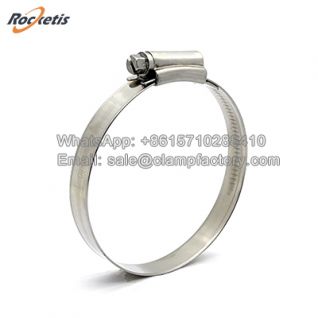
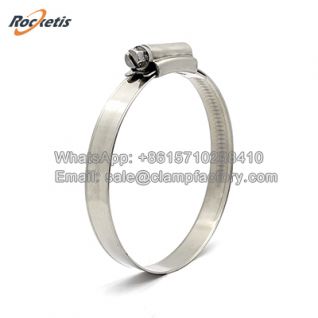
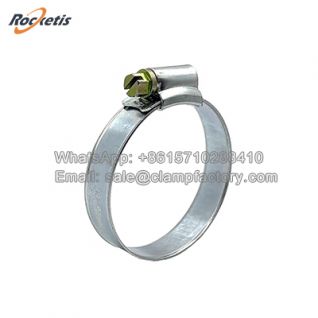
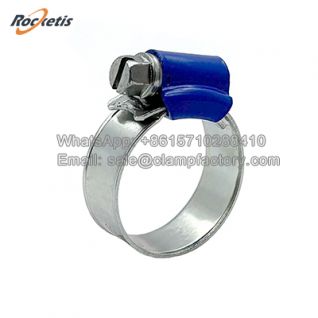
Our british hose clamp products are engineered with the traditional spot-welded saddle design, which ensures maximum structural integrity and superior clamping force. We utilize premium-grade stainless steel and galvanized materials, carefully processed to offer exceptional corrosion resistance and longevity. Whether you are dealing with high-pressure fluid lines or vibration-prone environments, our clamps provide a secure, uniform seal that prevents leaks and protects your equipment’s performance.
Factory Strength and Massive Production Capacity
We operate a state-of-the-art, 12,000-square-meter manufacturing facility in Tianjin, China. Our production lines are equipped with advanced, automated stamping and assembly technologies, allowing us to maintain an impressive average daily output of 80,000 units. This extraordinary production capacity enables us to fulfill large-scale industrial orders efficiently while maintaining a standard of quality that few in the market can match. By functioning as a direct-from-source british hose clamp supplier, we eliminate unnecessary intermediaries, ensuring you receive high-quality products at the most competitive, low-cost prices.
Flexible Customization Services
We understand that industrial projects often demand unique technical specifications. That is why our factory provides comprehensive customization services. Whether you require specific band thicknesses, customized material grades (W2, W4, W5), or tailored branding and packaging solutions, our engineering team is ready to assist. We go beyond simply supplying parts; we offer full technical support to ensure our products integrate perfectly into your specific applications.
Quality Assurance and Reliability
At our facility, quality is our top priority. Every batch of british hose clamp units undergoes rigorous testing to ensure it meets international quality standards. Our long-term success is built on a foundation of reliability, technical integrity, and deep market knowledge.
Partner With Us Today
Choosing the right supplier is the most critical decision for your supply chain efficiency. With two decades of experience, unparalleled manufacturing capacity, and a deep dedication to your business success, we are the ideal partner for your fastener needs. Contact us today for a customized quote and discover why we are the preferred british hose clamp supplier for industrial buyers across the globe.