Premium German Hose Clamps from Experienced Manufacturer
In the demanding world of industrial engineering, reliable sealing solutions are non-negotiable. As a professional german hose clamps factory with over 20 years of industry experience, we specialize in delivering high-performance fastening solutions that keep your systems secure. Our commitment to excellence has established us as a trusted partner for clients across more than 50 countries, spanning automotive, agricultural, and industrial infrastructure sectors.
Why Choose Our German Hose Clamps?
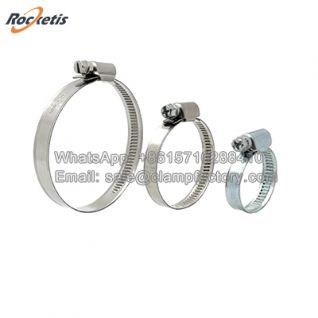
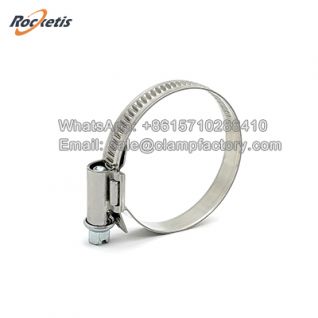
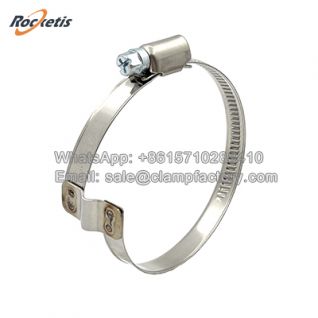
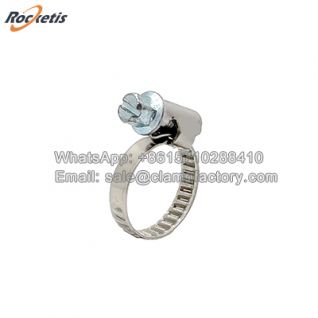
Our german hose clamps are precision-engineered to meet stringent international standards. Unlike standard fasteners, our German-style clamps feature a non-perforated band design, which ensures maximum protection for hose surfaces while providing superior clamping force. Whether you are operating in high-vibration environments or applications involving thermal expansion, our products provide the reliability your operations require.
Factory Strength and Production Capacity
Operating from a state-of-the-art 12,000-square-meter facility in Tianjin, we integrate advanced manufacturing technology with rigorous quality control protocols. Our production efficiency is second to none, with an average daily output of 80,000 units. This massive production capability allows us to handle large-scale orders with ease while maintaining consistent quality across every batch. By leveraging our direct-from-factory business model, we provide our partners with competitive, low-cost pricing without ever compromising on quality.
Tailored Solutions for Your Needs
We understand that every project has unique requirements. That is why we offer comprehensive custom services. Whether you need specific band widths, customized material grades (such as W2, W4, or W5 stainless steel), or specialized packaging, our engineering team is ready to support your technical needs. From prototype to mass production, we provide the flexibility that only a seasoned german hose clamps factory can offer.
Quality You Can Trust
Our reputation is built on long-term relationships and technical excellence. We utilize advanced raw materials and automated stamping processes to ensure that every clamp delivers perfect tension and longevity. Our german hose clamps are tested under extreme conditions to guarantee they maintain their seal integrity, providing you with peace of mind and reducing maintenance costs over time.
Partner With Us Today
Choosing the right supplier is the first step toward operational efficiency. As a leading german hose clamps manufacturer, we combine two decades of technical expertise, massive production capacity, and a deep commitment to customer satisfaction. We invite you to experience the difference that high-quality manufacturing makes. Contact our sales team today for a customized quote, and let us help you secure your future projects with our professional clamping solutions. We are ready to be your long-term, reliable partner in the global market.